History of Ulkatcho First Nation
The People of the High Country
The Ulkatcho First Nation is a Dakelh (Southern Carrier) Nation whose people have inhabited the Chilcotin plateau and surrounding mountain territories of central British Columbia since time immemorial. The name "Ulkatcho" refers to the people of the high country — a reflection of the elevated, rugged landscape that has shaped the culture and identity of this Nation for thousands of years.
The Ulkatcho people are part of the broader Dakelh (Carrier) Nation, one of the largest Indigenous language groups in British Columbia. The Dakelh language belongs to the Athabaskan language family, connecting the Ulkatcho people to a vast network of Indigenous Nations stretching from the Yukon to the American Southwest.
Seasonal Life on the Land
Historically, the Ulkatcho people were semi-nomadic, following the seasonal rhythms of the land. In spring and summer, families moved to fishing camps along the rivers, harvesting trout, salmon, and other freshwater species. In autumn, the forests provided pine mushrooms, soapberries, and other plant foods essential to the diet and trade economy.
Winter was a time of gathering — families came together in semi-permanent villages, sharing stories, ceremonies, and the knowledge of Elders. Hunting moose, caribou, and smaller game sustained the community through the long mountain winters.
Ancestral Territory
The ancestral territory of Ulkatcho First Nation encompasses a vast area of central British Columbia, including the Anahim Lake area, the Itcha-Ilgachuz mountain ranges, the Dean River watershed, and extensive plateau lands. This territory is rich in wildlife — moose, caribou, grizzly bear, wolves — and in cultural significance, marked by ancient trails, obsidian quarry sites, and places of ceremony.
Obsidian — volcanic glass found in the territory — was historically traded across vast distances, evidence of the Ulkatcho people's role as skilled travellers and traders long before European contact. Archaeological evidence of obsidian trade routes connects Ulkatcho territory to coastal and northern Nations.
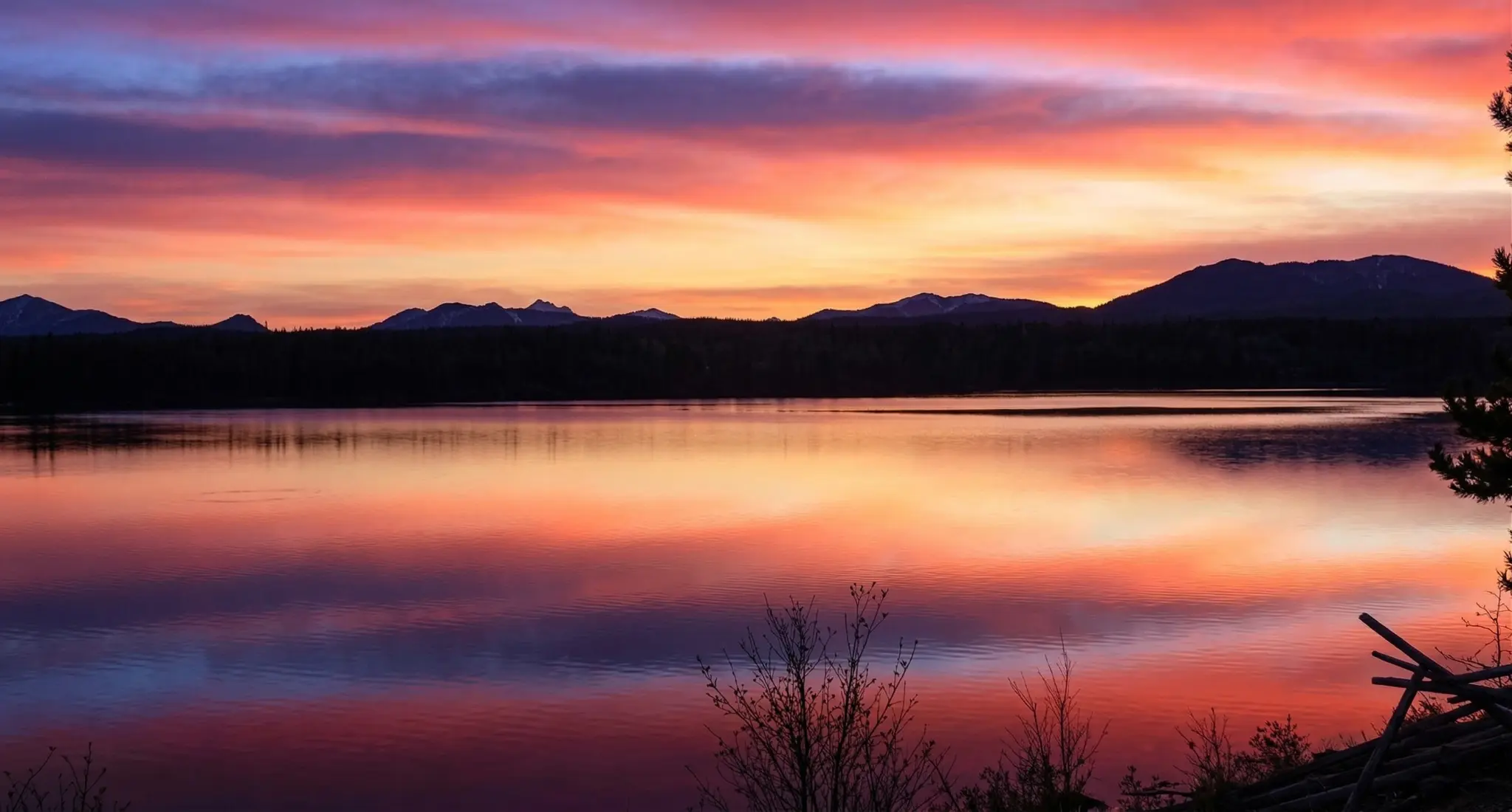
Anahim Lake, British Columbia
Contact and Colonization
European contact came relatively late to the Ulkatcho territory compared to coastal Nations. The fur trade brought the first sustained interactions in the early 19th century, followed by the establishment of the Hudson's Bay Company trading posts in the region.
The colonial period brought profound disruption to Ulkatcho life. The imposition of the reserve system, the Indian Act, and residential schools sought to displace the Ulkatcho people from their lands and suppress their language and culture. Despite these pressures, the Ulkatcho people maintained their connection to the land and their cultural practices.
The Reserve System
Under the Indian Act, the Ulkatcho First Nation was designated as a registered band with several small reserves in the Anahim Lake area. These reserves represented only a fraction of the Nation's traditional territory, confining a semi-nomadic people to fixed, limited lands.
The community adapted, building permanent infrastructure while continuing to use the broader territory for hunting, fishing, and gathering. The tension between the reserve system and traditional land use continues to shape the Nation's governance and land claims efforts.
Residential Schools and Cultural Resilience
Like many Indigenous Nations across Canada, Ulkatcho members were subjected to the residential school system. Children were removed from their families and communities, forbidden from speaking the Dakelh language, and subjected to cultural suppression and, in many cases, abuse.
The legacy of residential schools continues to affect the community today. However, the resilience of Ulkatcho Elders who maintained the language and cultural knowledge through these dark years has been essential to the Nation's ongoing cultural revitalization efforts.
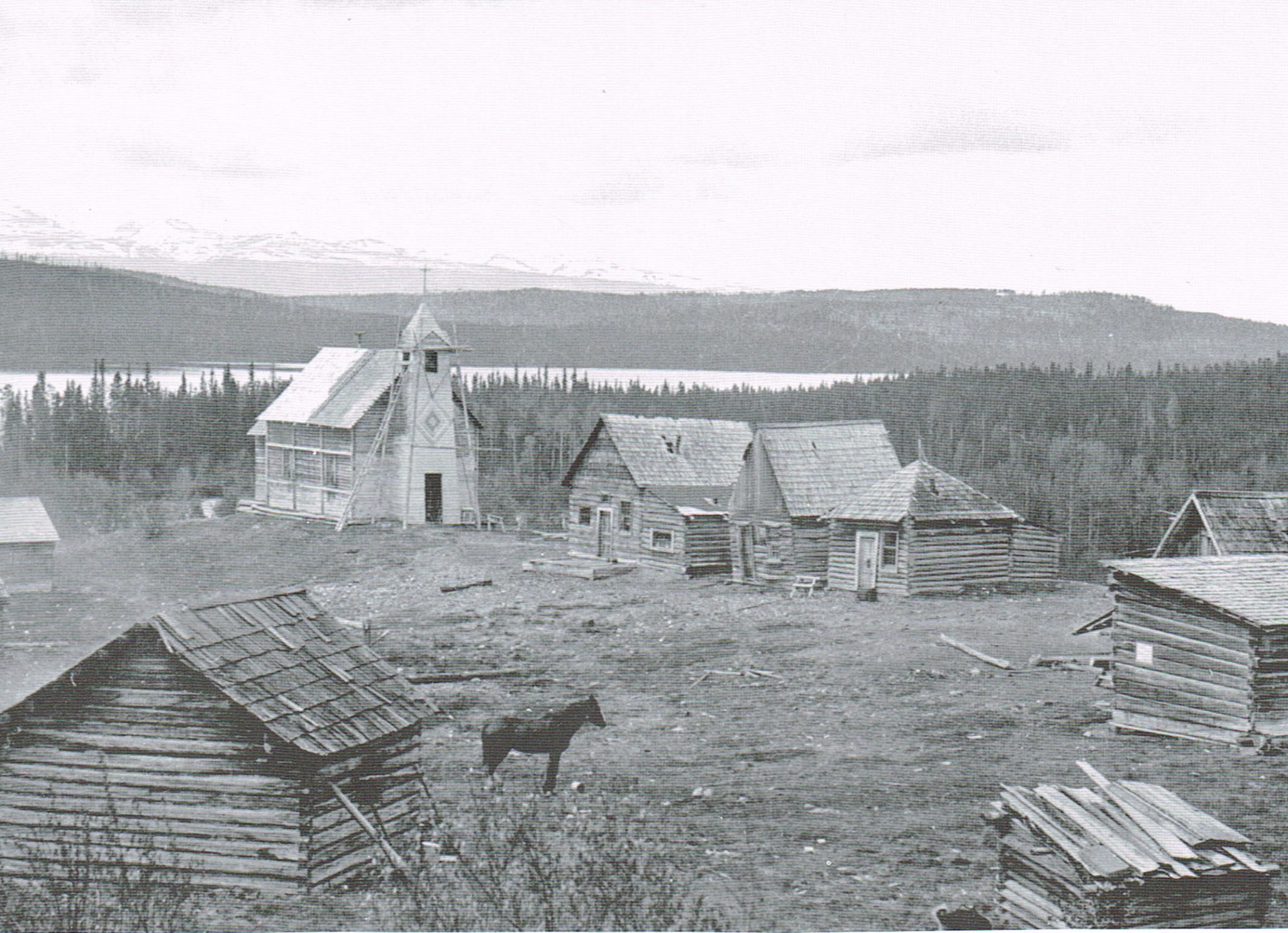
Ulkatcho Village, 1927 — Photo by Frank Swannell
Modern Governance
Today, Ulkatcho First Nation is governed by an elected Chief and Council under the Indian Act framework. The Nation has been actively working toward greater self-determination, including involvement in treaty processes, land use planning, and the development of its own governance structures.
The Nation's Strategic Plan 2022–2027 outlines priorities including health and wellness, education, economic development, environmental stewardship, and cultural revitalization. These priorities reflect both the traditional values of the Ulkatcho people and the contemporary needs of a growing community.
Economic Development
The Ulkatcho First Nation has pursued economic development through several channels, including forestry agreements, clean energy projects, and partnerships with resource industries. The Ulkatcho Group of Companies manages business interests on behalf of the Nation.
Five Alliance Agreements with industry partners, including Artemis Gold's Blackwater Mine project, have created employment and economic opportunities for members while ensuring environmental protections and community benefit.
Land and Environmental Stewardship
Environmental stewardship remains central to Ulkatcho identity and governance. The Nation actively participates in land use planning, environmental assessments, and wildlife management within its traditional territory.
The Total Resource Plan and other governance documents outline the Nation's approach to balancing economic development with the protection of lands, waters, and wildlife that have sustained the Ulkatcho people for millennia.
Looking Forward
Ulkatcho First Nation envisions an independent Nation and an interconnected community, working together for all generations. The Nation's future is being shaped by investments in education, health, housing, and cultural programs that strengthen the community from within.
The Dakelh language revitalization program, youth leadership initiatives, and Elder-led cultural teachings are ensuring that the knowledge and traditions of the Ulkatcho people continue to guide the Nation into the future.